

From Compliance to Confidence: Embedding Psychosocial Safety in Lone Worker Management
Leadership Has Moved Beyond Compliance
Once upon a time, workplace safety was measured in hard hats and hazard signs. Today, it’s measured in trust, connection and psychological safety, and the people who set the tone are leaders.
Across Australia, new psychosocial risk regulations are transforming what it means to be a responsible employer. Regulators no longer want policies that sit on shelves. They expect demonstrated action with proof that organisations are identifying, controlling, and reviewing psychosocial hazards.
For teams with lone workers, this shift is especially significant. Lone work is a recognised psychosocial hazard, as isolation, exposure to aggression, and delayed access to help can cause serious psychological injury.
The difference between a compliant workplace and a confident one? Leadership behaviour.
When leaders use tools like My Safety Buddy to stay connected, visible, and supportive, they turn psychosocial safety from a policy into a lived culture.
1. Moving Beyond Compliance: Why Psychosocial Safety Is a Leadership Issue
Psychosocial risk management isn’t just a safety team’s responsibility, it’s a leadership imperative.
Safe Work Australia’s Model Code of Practice (2023) and Victoria’s OHS (Psychological Health) Regulations 2025 both make it clear that employers must take proactive, documented steps to identify, assess, and control psychosocial hazards such as:
- Isolation
- Aggression and violence
- High job demands
- Poor organisational support
- Unclear communication
Leaders are the ones who model how seriously these expectations are taken. When they engage with their teams, respond to concerns, and use tools that demonstrate care, they build trust and accountability.
Technology as Leadership Visibility
Using a lone worker safety app like My Safety Buddy sends a clear message: “We don’t just talk about safety. We are actively watching out for you.”
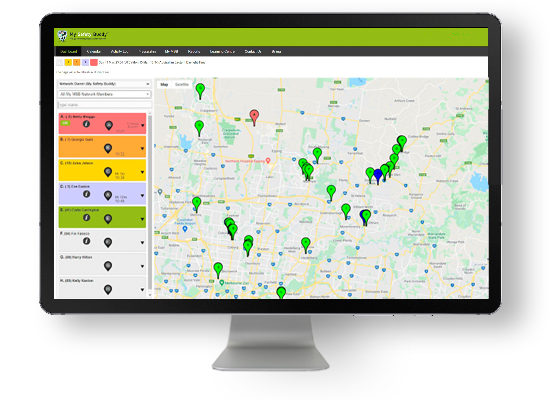
Supervisors and managers can see real-time check ins, respond instantly to duress alarms, and track worker safety. This visibility and responsiveness show employees that leadership is present, attentive, and invested in their wellbeing.
Leaders who make psychosocial safety visible through consistent action build stronger, safer teams.
2. Integrating Lone Worker Apps into Induction, Supervision, and Training
The most effective safety systems aren’t add-ons. They are embedded in everyday practice.
Integrating My Safety Buddy into induction, supervision, and ongoing training normalises psychosocial safety for new and existing workers alike.
- Introduce the lone worker app as a key safety tool, explaining how it protects both physical and psychological wellbeing.
- Use data from check ins, emergency alarms, and incident reports to guide coaching and wellbeing discussions.
- Provide refresher training to reinforce correct use of the system and update teams on process improvements.
Managers can create open, constructive dialogue by using app data during performance conversations to understand stress points instead of policing non-compliance.
Building Capability Through Technology
A lone worker app isn’t just an emergency response tool; it’s a leadership insight platform.
Supervisors can identify trends:
- Are certain shifts or locations generating more duress alarms?
- Are check ins being missed at specific times of day?
- Are employees showing signs of fatigue or disengagement?
This data transforms supervision from reactive to strategic. Leaders move from simply ensuring compliance to actively improving wellbeing and performance.
3. Using Data to Drive Wellbeing and Risk Insights
In the era of psychosocial safety regulation, data is your best defence, and your greatest advantage.
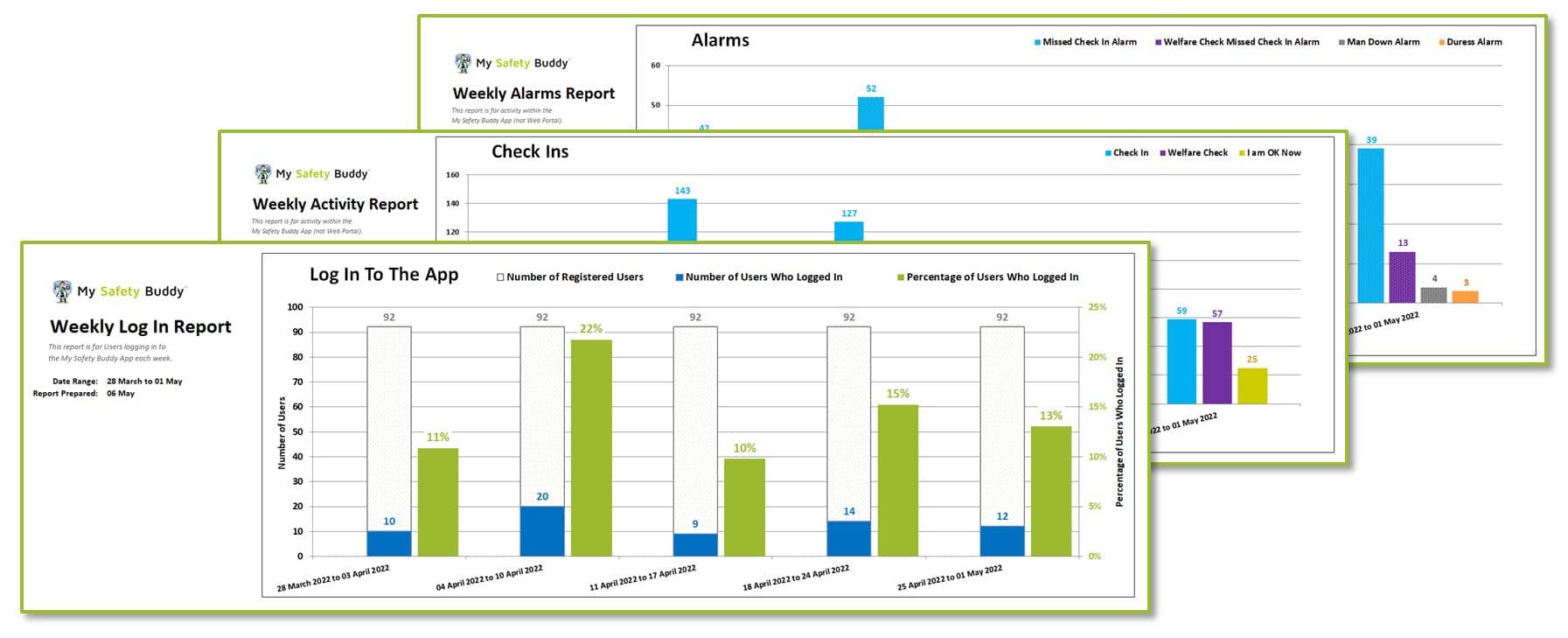
Aggregated data from My Safety Buddy gives leaders a clear picture of where, when, and how risks are emerging.
For example:
- A spike in duress alarms might highlight a need for extra support or staffing.
- Frequent missed check ins could signal fatigue or workload issues.
- Declining app engagement might indicate training gaps.
These patterns allow proactive intervention long before an incident occurs.
Meeting Regulator Expectations
Under WHS regulations, employers must:
- Identify psychosocial hazards.
- Implement and review control measures.
- Demonstrate continuous improvement.
Data from systems like My Safety Buddy provides an evidence trail showing you are monitoring, reviewing, and responding to psychosocial risks systematically, and not just relying on policy statements.
This proactive approach not only supports compliance but protects reputation, enhances employee trust, and reduces operational disruption.
4. Reinforcing Organisational Values through Technology
Strong organisations align their safety systems with their core values: care, responsibility, and wellbeing.
Investing in a lone worker safety app like My Safety Buddy demonstrates these values in action.
It tells employees: “We’re not just checking boxes. We genuinely care about your wellbeing.”
When leadership decisions are backed by technology that protects workers in real time, trust becomes tangible.
Ethical Leadership and Reputation
In an environment where community trust and corporate reputation are fragile, visible care matters.
- Employers of choice are those who go beyond compliance.
- Ethical leadership means embedding wellbeing into operational design.
- Transparent monitoring shows staff, regulators, and clients that the organisation is serious about safety.
For executives, this is reputational insurance. For workers, it’s peace of mind.
5. Embedding a Culture of Connection and Care
Culture is what people do when no one is watching, which makes it even more vital for lone workforces.
Psychosocial safety becomes real when leaders act, systems respond, and workers feel supported.
Embedding a culture of connection requires consistency:
- Leadership commitment: Regularly discuss psychosocial safety in team meetings and reviews.
- System reliability: Use trusted, easy-to-operate technology that staff can rely on.
- Visible care: Celebrate safe behaviours, acknowledge challenges, and respond quickly to issues.
My Safety Buddy empowers this culture by ensuring that help, connection, and reassurance are always available, even when workers are alone.
When employees feel seen, supported, and safe, they’re more engaged, productive, and loyal.
The Future of Psychosocial Safety Leadership
Psychosocial risk management is no longer a trend, it’s a legal and ethical necessity. But the real transformation comes when leaders go beyond ticking boxes.
When technology, culture, and leadership align, organisations achieve:
- Compliance confidence: demonstrable risk management.
- Operational efficiency: fewer incidents, less downtime.
- Workforce trust: employees who feel genuinely cared for.
With My Safety Buddy, these outcomes are achievable through simplicity, reliability, and innovation, reflecting your organisation’s values while strengthening its duty of care.
Conclusion: Leading with Care, Powered by Technology
Psychosocial safety isn’t just about compliance. It’s about leadership visibility, connection, and care.
By embedding tools like My Safety Buddy into daily operations, leaders demonstrate: “Your safety, wellbeing, and peace of mind matter.”
This shift transforms workplace safety from a checklist to a culture where every worker feels supported, connected, and protected, no matter where they are.
Because keeping your staff safe isn’t just good management, it’s the mark of a great leader.
~ ~ ~

Travis Holland
CEO
My Safety Buddy
Should you wish to discuss strategies to improve your staff’s safety in their work environment, please feel welcome to contact My Safety Buddy.
Passionate about creating safer workplaces our goal is to enhance wellbeing for all concerned whilst also delivering improved operational and financial performance.
Enjoyed this piece? Please share, like, and comment. If you would like to read more, follow Travis on LinkedIn.
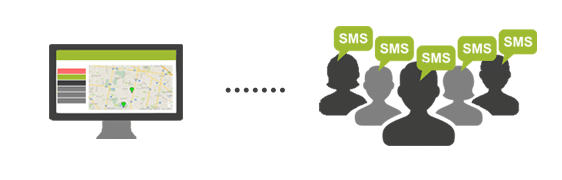

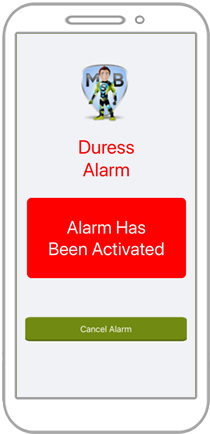
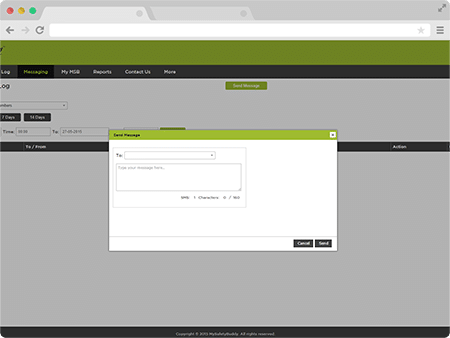 SMS Broadcasts
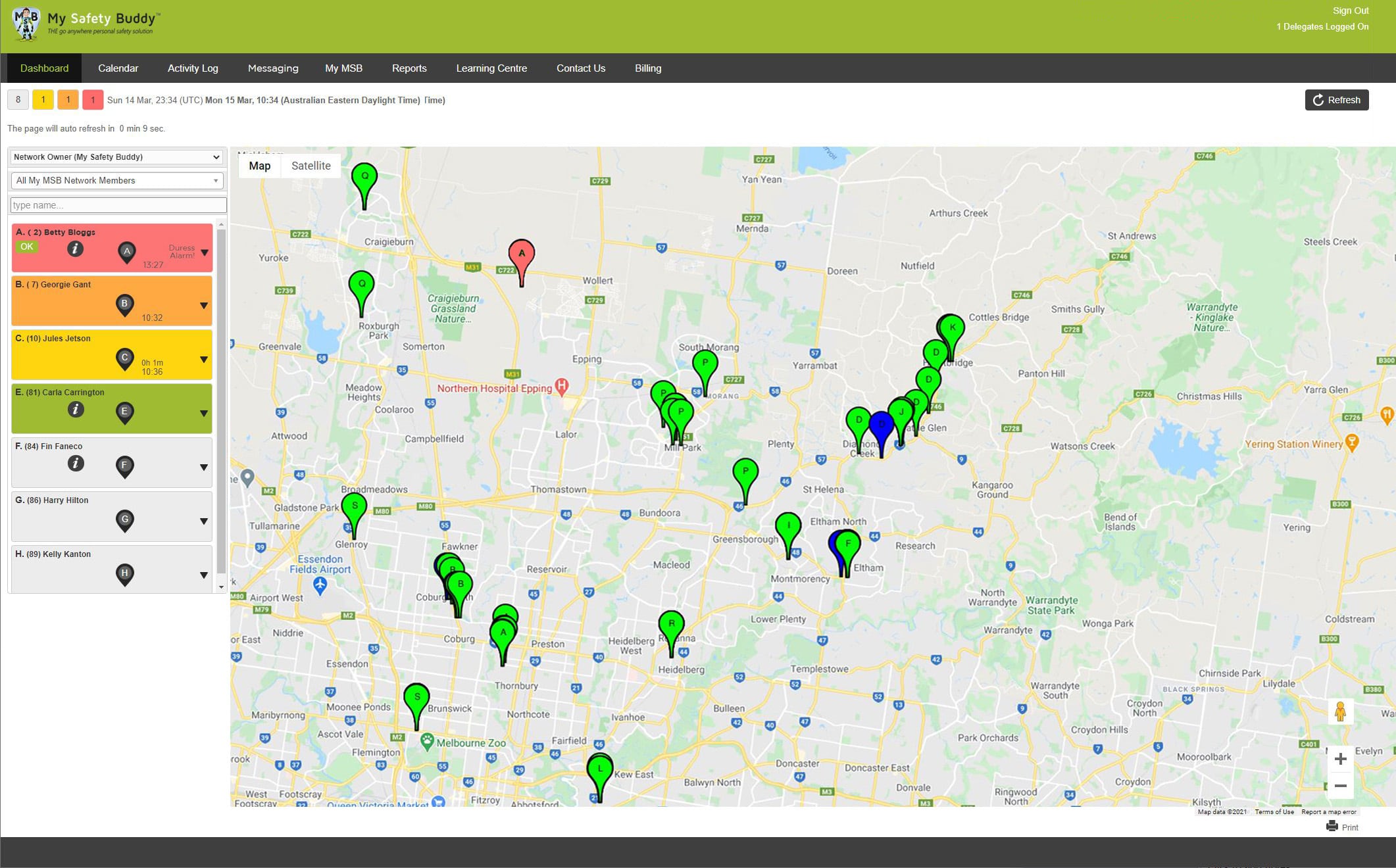 Web Portal and Dashboard
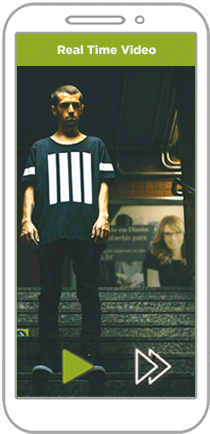
 Real Time Video
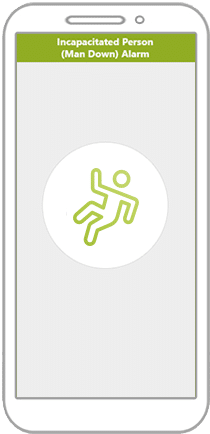 Man Down Alarm
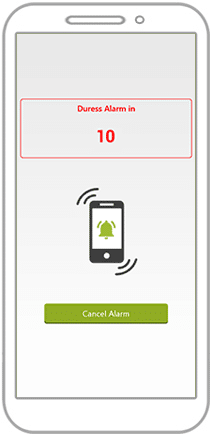 Duress Alarm (Panic Alarm)
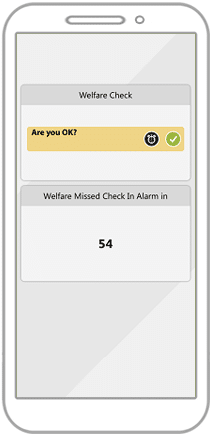 Welfare Checks
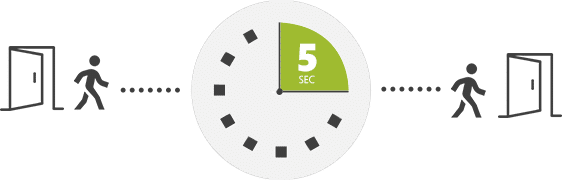
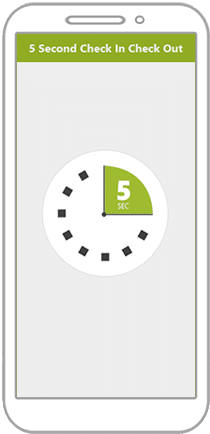 5 Second Check In